0306 1364383 info@latifsonsfarm.com Haveli Rd, Hujra Shah Muqeem Open daily from 6:00 AM
Cattle Fattening

Cattle Fattening Farm in Hujra Shah Muqeem, Punjab

Latif Sons Dairy Farm manages selected cattle through a structured 3–4 month fattening cycle — managed feeding, clean water, organized pens and regular observation — so suitable livestock is ready for commercial buyers.

  • 3–4 month fattening cycle
  • Hujra Shah Muqeem, Okara District
  • Open daily from 6:00 AM
The 3–4 Month Cycle

One Managed Loop, Four Clear Stages

Every animal at the farm moves through the same cycle — from arrival at Hujra Shah Muqeem to commercial preparation — so the time on the farm is organized, observed and purposeful.

Month by Month

A Closer Look at Each Month on the Farm

Every month of the cycle has a focus. The top border on each card gets more saturated as the animal moves closer to being ready — a visual reminder that progress is managed, not rushed.

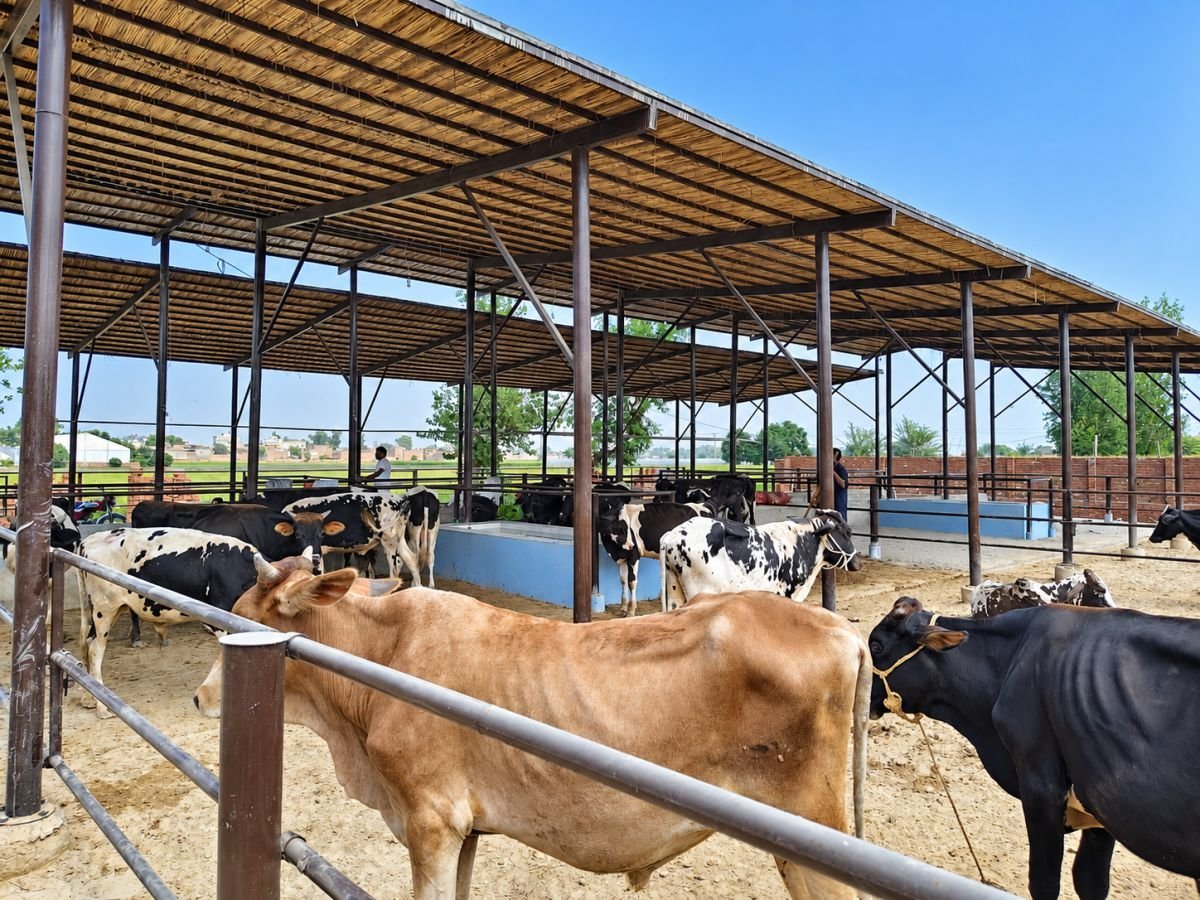
Cattle in a sandy yard shortly after arriving at the farm Intake
Month 01

Arrival & Settling In

  • New arrivals from the mandi
  • Grouped by pen on intake
  • First rounds of observation
  • Water and shade in place

New livestock is introduced into the farm operation and assigned to suitable pens for easier management.
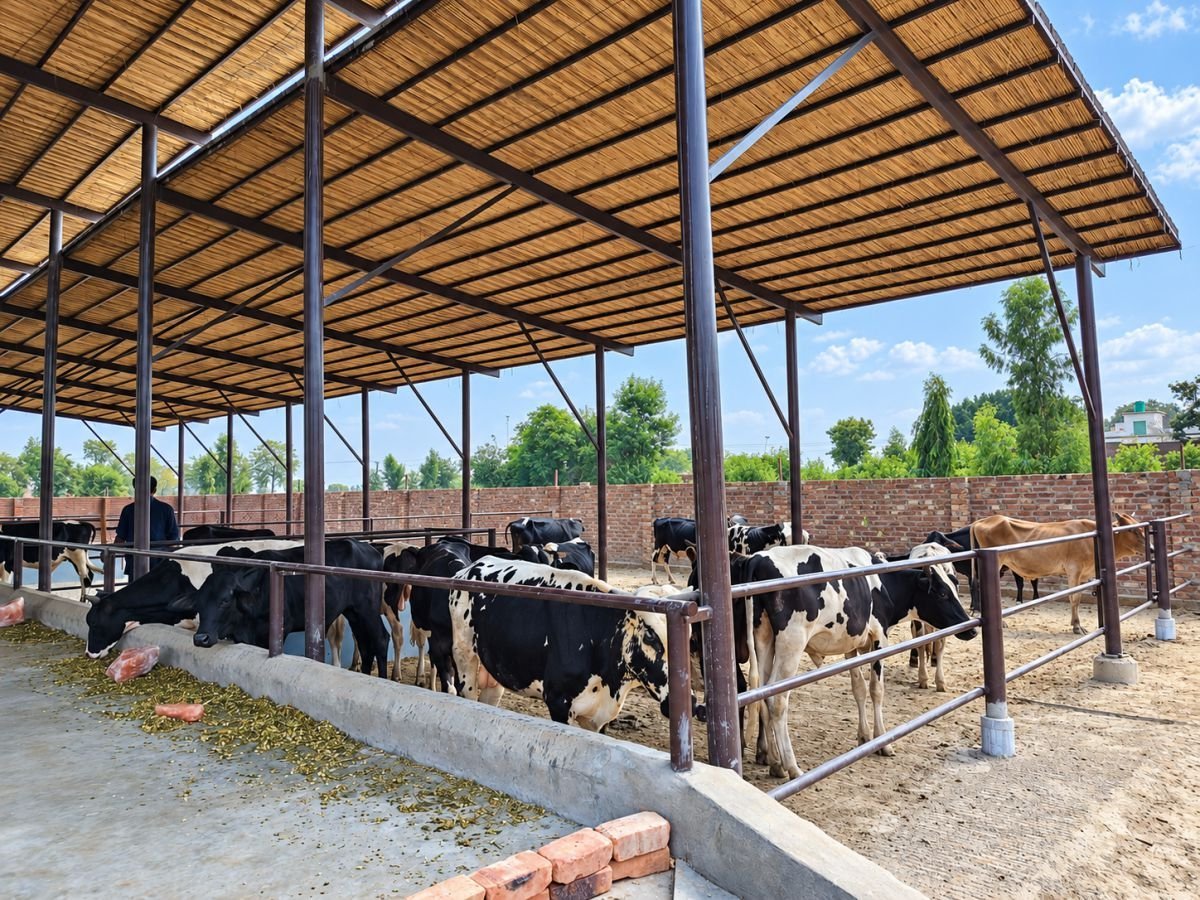
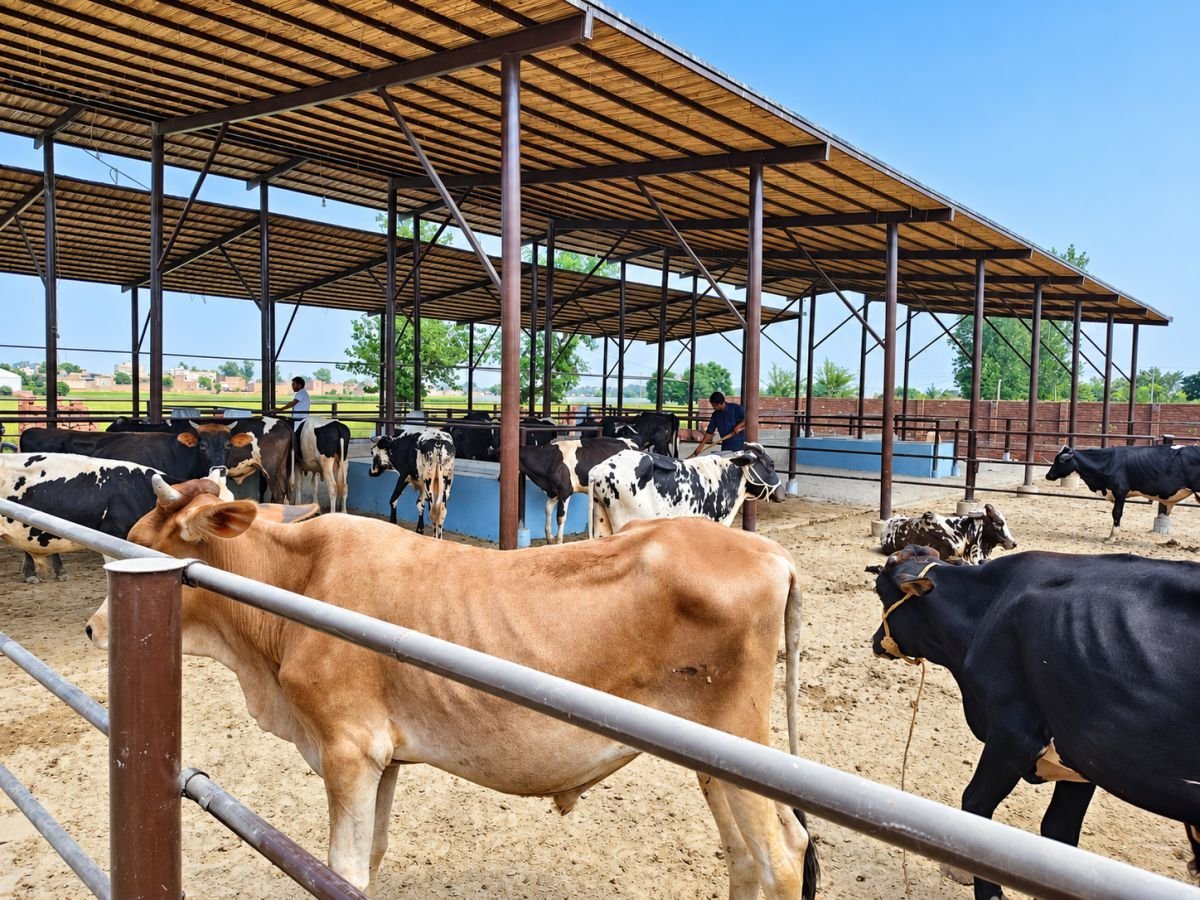
Cattle feeding on fresh fodder along the feed lane Feeding
Month 02

Managed Daily Feeding

  • Fresh fodder along the feed lane
  • Troughs washed and refilled
  • Routine pen cleaning
  • Records kept by the team

Feeding routines form a central part of our livestock management process during the animals' stay at the farm.

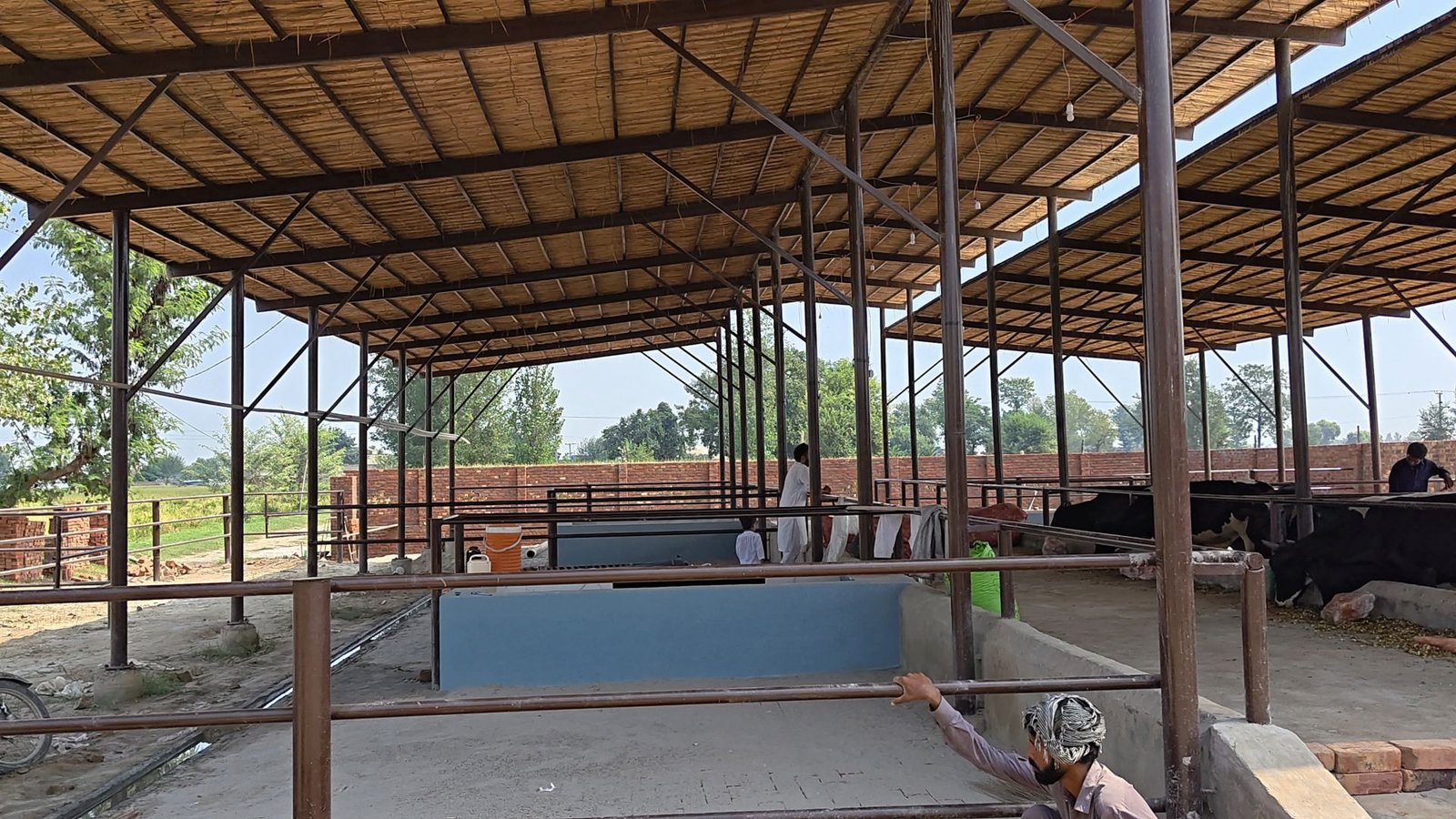
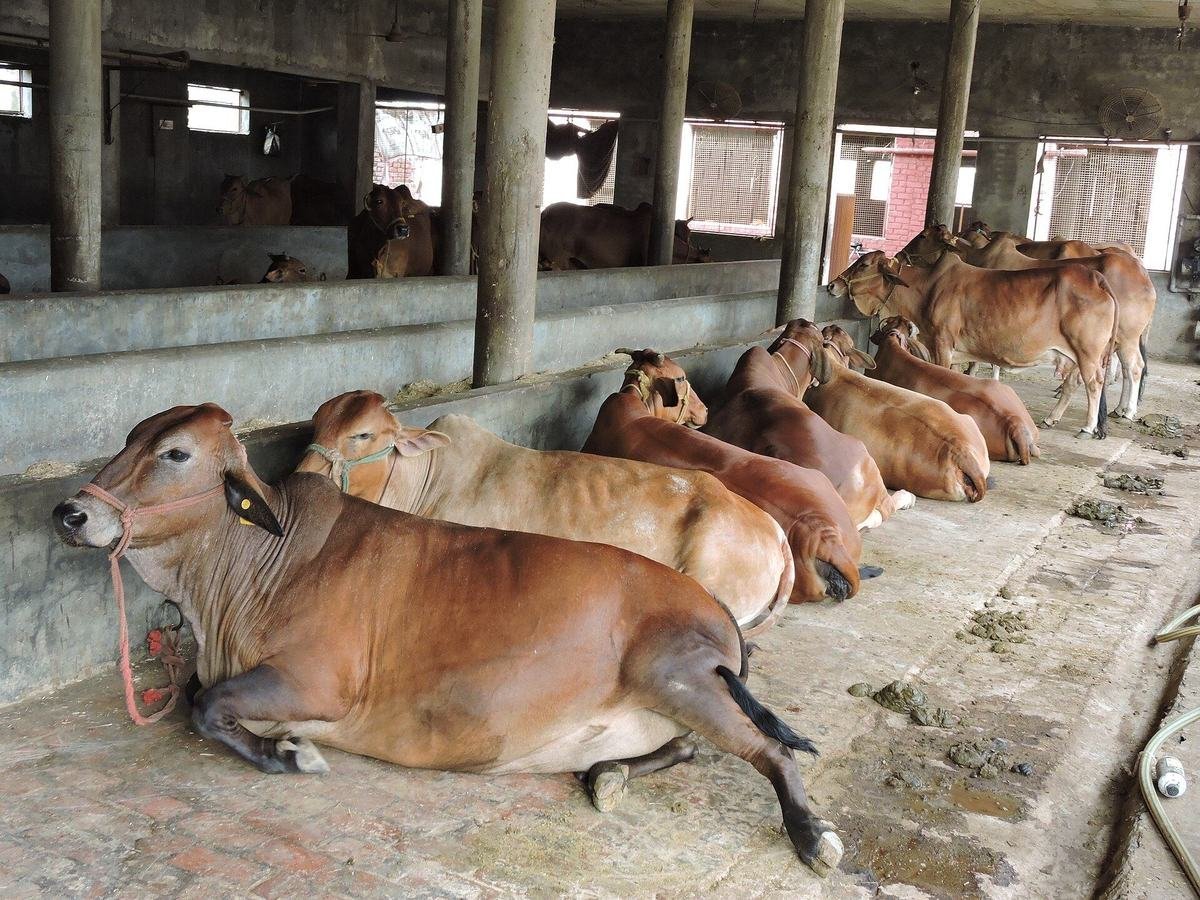
Cattle resting inside a shaded farm shed under observation Observation
Month 03

Watching Each Animal

  • Daily condition checks
  • Behaviour watched by the team
  • Closer attention where needed
  • Pens regrouped if useful

Regular observation helps the team notice changes in condition and behaviour early, so animals that need closer attention get it.

Shaded cattle sheds with the herd ready for commercial preparation Preparation
Month 03–04

Commercial Preparation

  • Overall condition reviewed
  • Suitability for buyers assessed
  • Buyer conversations opened
  • Collection arrangements planned

As animals progress through the cycle, their overall condition and suitability for commercial sale are reviewed.

A worker tending to cattle at the farm's feed lane during morning routine The feed lane at mealtime
A Day on the Farm

Six Beats That Shape the Day

Our day at Hujra Shah Muqeem is organized around a short list of recurring moments. The schedule stays the same from one month of the cycle to the next.

  1. Head count and first check

    The team opens the farm from 6:00 AM, walks each pen and notes anything out of the ordinary.

  2. Managed feeding at the lane

    Fresh fodder is laid out along the feed lane and animals are brought up to feed.

  3. Water troughs refilled

    Blue troughs in every pen are washed down and topped up with clean water.

  4. Pen cleaning and grouping

    Pens are cleaned down and the team moves animals between groups where needed.

  5. Second feed and observation walk

    A second feed goes out and the team walks the yard, watching condition and behaviour.

  6. Final head count and settle

    A last walk-through to confirm the herd is settled, with the day's notes added to the records.

Monitoring from Intake to Ready

A Single Line from Mandi to Market-Ready

Four checkpoints run from the day an animal arrives to the day a buyer picks it up — each one builds on the last.

Intake Animals arrive, are grouped by pen and placed into the farm routine.
Feeding Managed daily rations and clean water, with every pen worked through.
Observation Condition and behaviour tracked so slower progress is caught early.
Ready Suitable livestock reviewed for commercial sale and buyer collection.
Let's Talk Livestock

Looking for a Reliable Commercial Livestock Source?

Talk directly with Latif Sons Dairy Farm about your livestock requirements, commercial needs, farm visits, and potential supply arrangements.