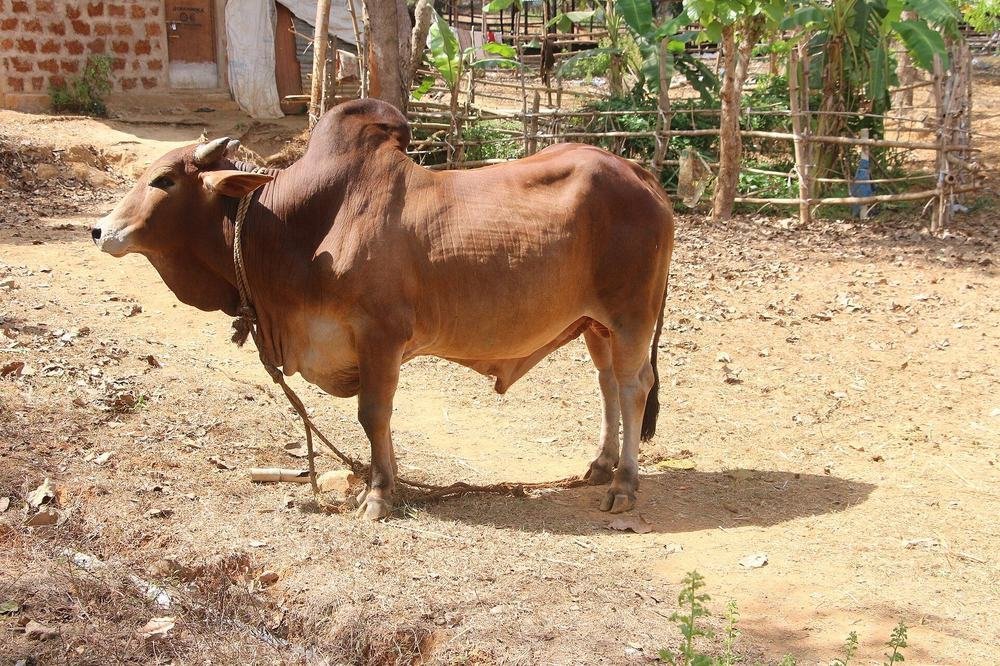
Every animal on our farm starts its journey at a local livestock mandi or with a trusted seller. What happens there decides a great deal of what follows, so selection is never rushed.
Selection starts with a clear objective
Livestock is considered carefully before purchase rather than being selected without a clear farming objective. Every animal we buy has to suit our farm cycle of approximately three to four months and the commercial requirements of the buyers we serve.
That objective shapes every conversation at the mandi. We are not looking for any animal at a good price — we are looking for the right animal for the cycle ahead.
A careful choice at the mandi saves months of trouble on the farm. We would rather walk away than buy the wrong animal.
— Sarfraz Latif, Managing Partner
The six things we check
These are the practical factors our team weighs at the mandi and with trusted sellers before any purchase decision is made:
- Overall condition — the general condition of each animal is checked first.
- Health — part of the practical assessment made before an animal is bought.
- Structure — frame and build help us judge how an animal is likely to respond to farm management.
- Size — assessed against the needs of our operation and the requirements we serve.
- Age — so each animal fits the planned period of management at the farm.
- Suitability for the farm cycle — every purchase is judged against the three-to-four-month cycle and its commercial objective.
Mandis and trusted sellers
We explore local livestock mandis and also work with trusted sellers we have dealt with before. Both routes lead to the same checks — the source changes, the standard does not.
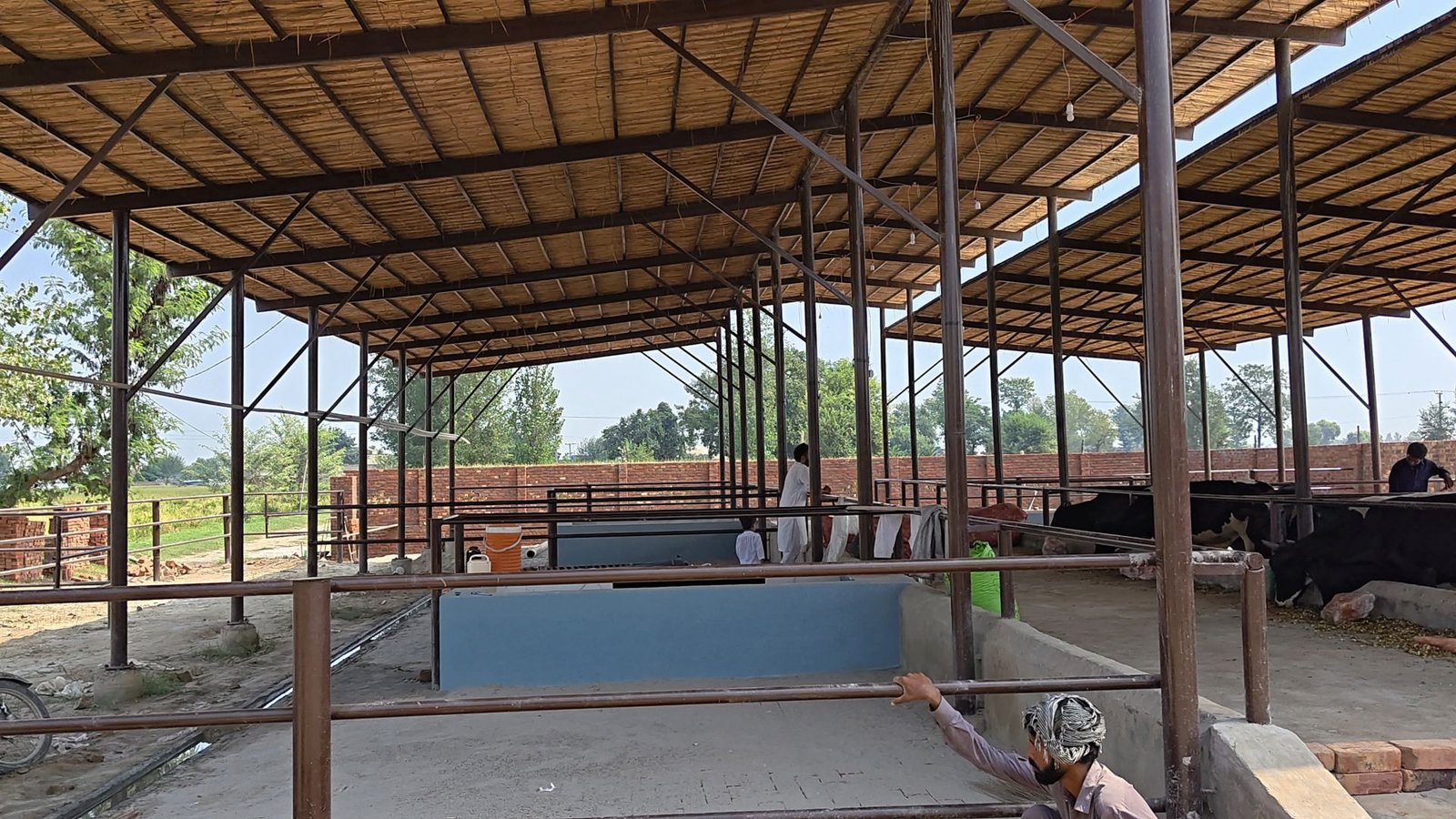
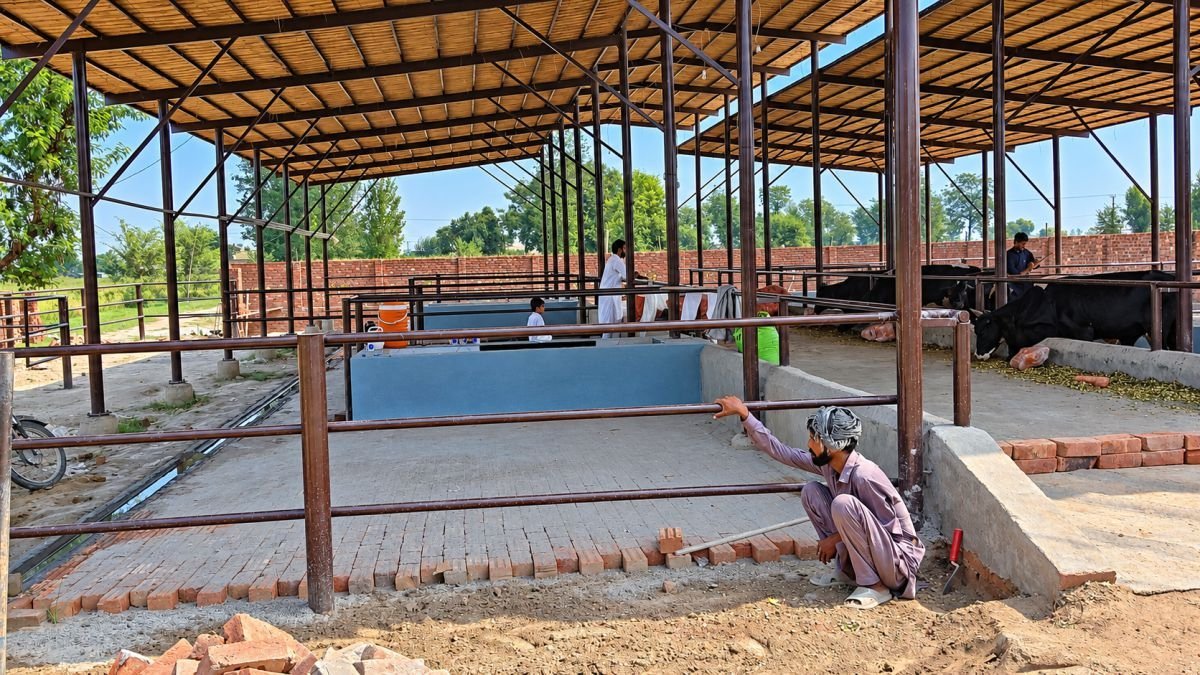
Once an animal is selected, it is purchased and transported to the farm in Hujra Shah Muqeem, where farm intake begins and the animal is assigned to a suitable pen or group.
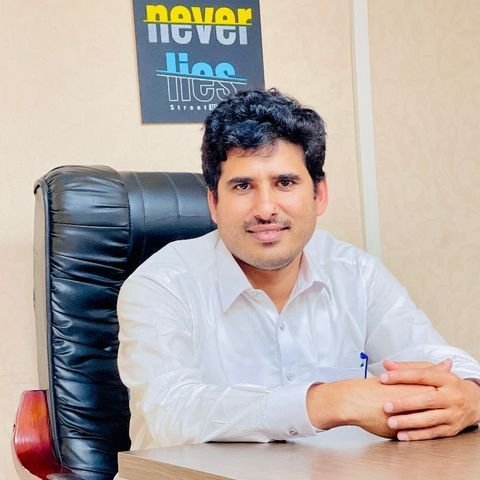
Sarfraz Latif
Managing PartnerOversees day-to-day farm management and keeps every part of the operation running to standard.