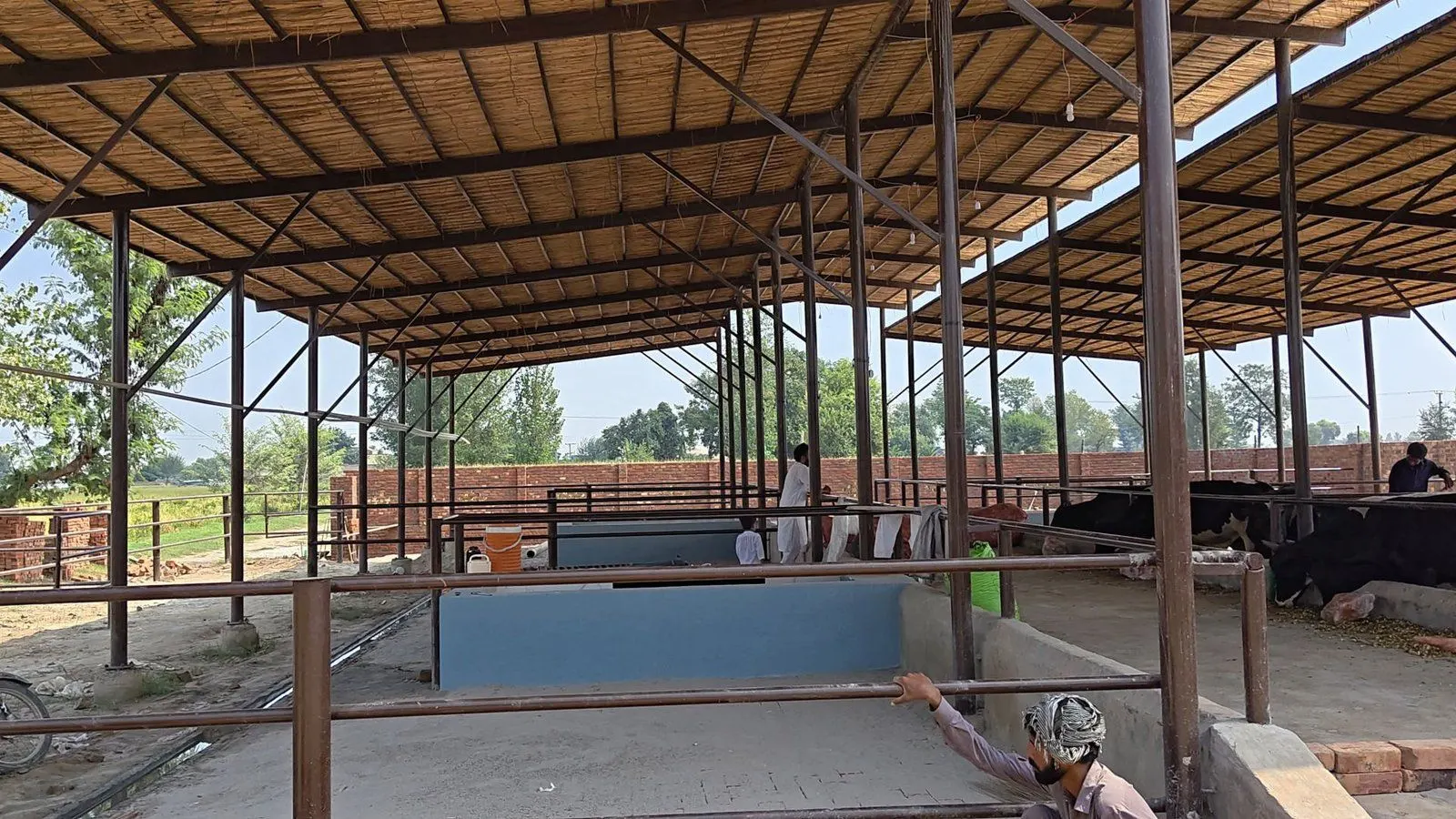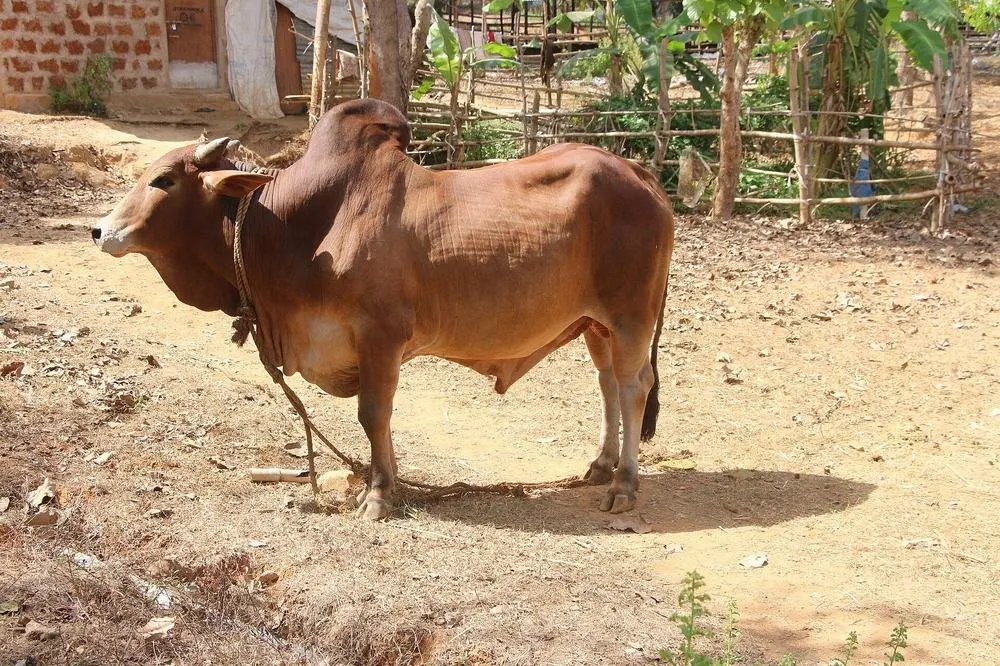
Cattle fattening (bachra or katta farming) is simple on paper: buy an animal at the mandi, feed it well for three to four months, and sell it heavier. Whether that leaves a profit depends on a handful of numbers that every farmer can write down before the first animal is bought.
The short answer
In our example below, one animal bought for Rs 150,000 at 200 kg and kept for 90 days costs about Rs 195,500 in total and is sold at 272 kg. At Rs 800 per kg live weight that leaves about Rs 22,100 per animal, or about Rs 442,000 on a batch of twenty, before labour, rent and electricity.
The figure that matters most is the break-even rate: the price per kg at which you neither gain nor lose. In this example it is Rs 719 per kg. Sell above it and the batch pays; sell below it and it does not.
These are example numbers to show the method. Mandi prices, feed rates and sale rates change every month, so put your own figures into our free profit calculator before you decide.
The six numbers that decide profit
- Purchase price and weight — what you pay at the mandi, and the starting weight on your own scale or tape.
- Daily gain — published feasibility studies for Punjab put it at about 600 to 800 grams a day; well-fed, healthy animals can reach 800 grams to 1 kg.
- Days on the farm — usually 90 to 120 days for a fattening batch.
- Feed cost per day — green fodder, wanda, chokar, khal and silage; the biggest running cost.
- Medicine, transport and commission — small per animal, but easy to forget.
- Sale rate per kg — and how the buyer weighs: on your farm or at the slaughterhouse.
Break-even rate = total cost ÷ sale weight
Example: one animal over 90 days
| Item | Example | Amount |
|---|---|---|
| Purchase at the mandi | 200 kg animal | Rs 150,000 |
| Feed | Rs 450 a day × 90 days | Rs 40,500 |
| Medicine | Deworming, vaccines (as your vet advises) | Rs 2,000 |
| Transport and commission | Mandi to farm | Rs 3,000 |
| Total cost | Rs 195,500 | |
| Weight gained | 0.8 kg a day × 90 days | 72 kg |
| Sale weight | 200 kg + 72 kg | 272 kg |
| Sale value | 272 kg × Rs 800 per kg | Rs 217,600 |
| Profit per animal | Rs 22,100 | |
| Break-even rate | Rs 195,500 ÷ 272 kg | Rs 719 / kg |
Notice how much of the result comes from the gain. The animal was bought at Rs 750 per kg and sold at Rs 800 per kg, so most of the profit is the 72 kg it put on during the 90 days. That is why feed, water, health and daily observation matter more than finding a cheap animal.
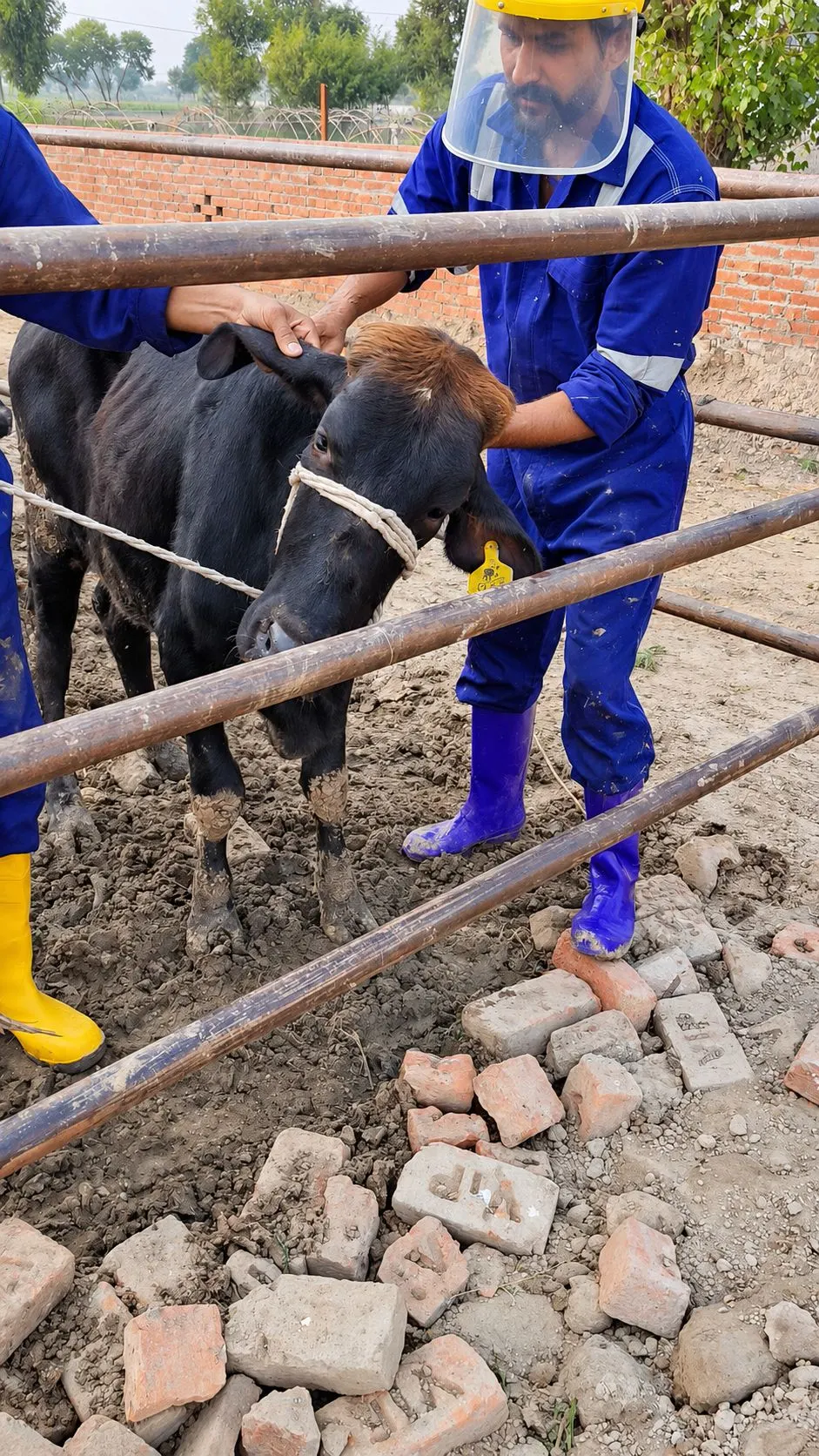
Example: a batch of twenty
With the same numbers for each animal, a batch of twenty looks like this:
- Buying — Rs 3,000,000 at the mandi.
- Feed — about Rs 9,000 a day, Rs 810,000 over 90 days.
- Medicine, transport and commission — Rs 100,000.
- Total cash needed — about Rs 3,910,000 over the cycle.
- Sale — Rs 4,352,000 at Rs 800 per kg, leaving about Rs 442,000.
Labour, shed rent or upkeep, electricity and water, and an allowance for an animal that falls sick or dies. On a small batch these can take a large share of the profit, so write them down too.
How sale rate and daily gain change the result
Two numbers move the result more than any other: the daily gain you achieve and the rate you sell at. The table shows the profit per animal for the same animal and the same feed cost, with different gains and sale rates.
| Daily gain | Sale weight | Break-even | Sold at Rs 750/kg | Sold at Rs 800/kg | Sold at Rs 850/kg |
|---|---|---|---|---|---|
| 0.6 kg/day | 254 kg | Rs 770/kg | − Rs 5,000 | Rs 7,700 | Rs 20,400 |
| 0.8 kg/day | 272 kg | Rs 719/kg | Rs 8,500 | Rs 22,100 | Rs 35,700 |
| 1.0 kg/day | 290 kg | Rs 674/kg | Rs 22,000 | Rs 36,500 | Rs 51,000 |
At a slow gain of 0.6 kg a day and a weak sale rate of Rs 750 per kg the same batch makes a loss. At 1 kg a day and Rs 850 per kg, the profit per animal more than doubles. Good feeding and a sale agreed above your break-even rate are what turn a fattening batch into a business.
Feed: the biggest running cost
A fattening animal eats roughly 3 to 4 percent of its body weight in dry feed every day: about 7.5 kg of dry matter for a 250 kg animal. A common plan is about one third from green fodder and two thirds from a mixed ration of wanda, chokar, khal banola and silage.
| Feed | Pack | Recent rate |
|---|---|---|
| Wanda, common brands | 40 kg bag | Rs 3,110 – 3,850 (2025) |
| Branded fattening wanda | 40 kg bag | Rs 4,150 – 4,450 |
| Chokar (wheat bran) | Bag | about Rs 2,945 |
| Khal banola (cottonseed cake) | Bag | about Rs 3,425 |
| Corn silage | Per kg | about Rs 22/kg (Rs 20,000 a ton, mid-2026) |
Rates change from month to month and from city to city; check with your supplier before you plan a batch. We keep a dated list of current feed and equipment rates. Ask a nutritionist or your vet to set the ration for your animals, and change it as they grow.
Where the profit is lost
- A weak or sick animal at the mandi — check teeth, frame, legs, eyes and breathing before you pay.
- No quarantine — keep new animals in a separate pen for about seven days so a problem does not spread.
- Worms — mandi animals often carry worms; deworm on arrival with the medicine and dose your vet gives.
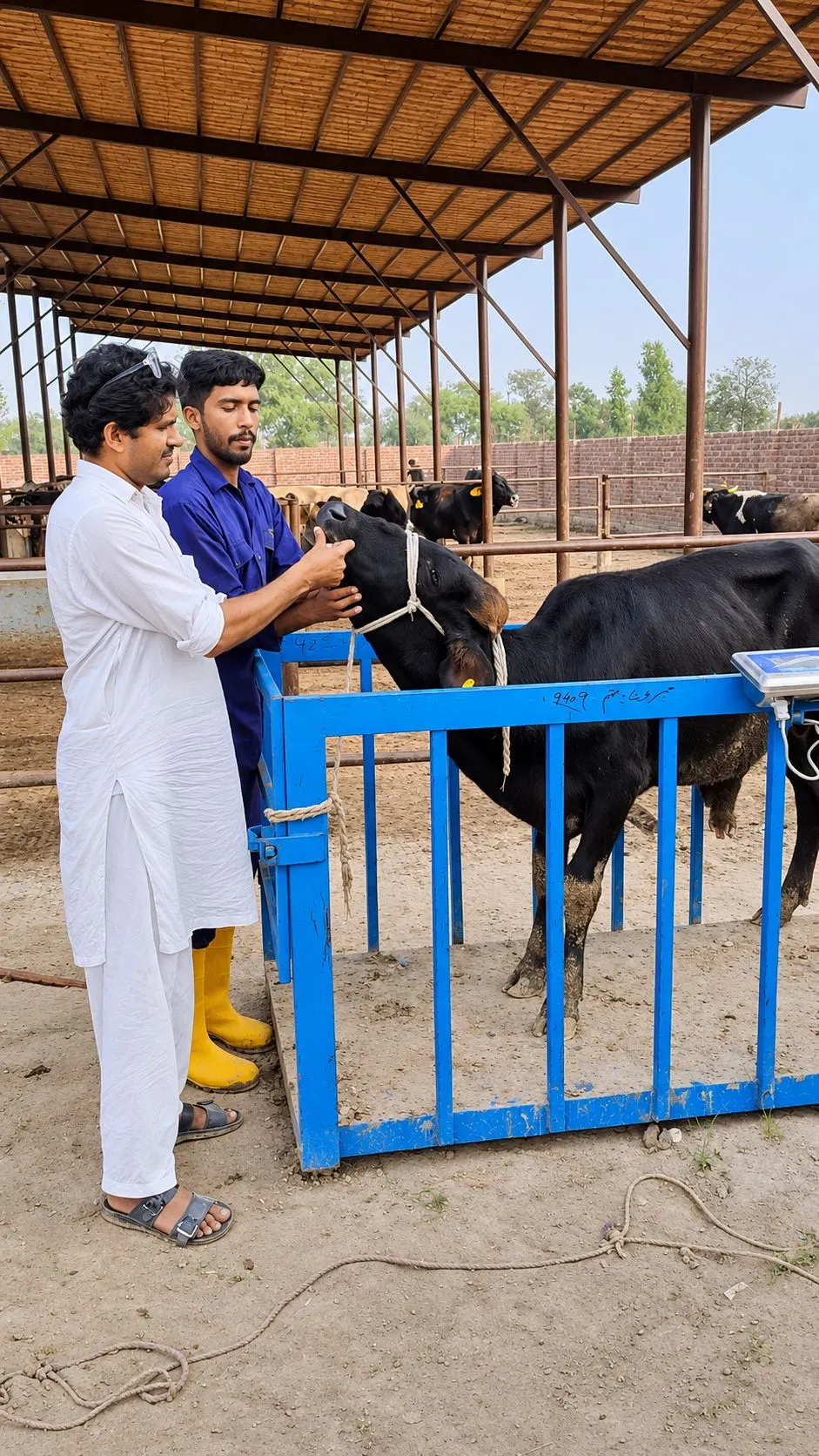
- Not weighing — without a starting weight and a day-30 weight you cannot know the daily gain or spot slow animals early.
- Wasted feed — spoiled or spilled feed and dirty troughs cost money every day.
- Selling without a break-even rate — know your cost per kg before you talk to a buyer, and agree how and where the animals will be weighed.
Selection at the mandi, intake, feeding, observation and sale: see how our fattening cycle works in Hujra Shah Muqeem.
Our cattle fattening cycle →Questions farmers ask
How much money do I need to start cattle fattening?
In our example each animal needs about Rs 195,500 over 90 days, including the purchase. Ten animals need about Rs 1,955,000 and twenty about Rs 3,910,000, plus labour, shed and electricity. Start with the number of animals you can feed well for the whole cycle.
How much weight does a bull gain in a day?
Feasibility studies for Punjab use about 600 to 800 grams a day for fattening animals; healthy, well-fed animals can gain 800 grams to 1 kg. Weigh on arrival and again after 30 days to know your own figure: daily gain = (new weight − old weight) ÷ days.
How long should animals be fattened?
Most fattening batches run 90 to 120 days. Animals stay on our farm for about three to four months, depending on their condition and what buyers need.
How do I work out my break-even rate?
Add every cost of the animal (purchase, feed, medicine, transport, commission) and divide by its sale weight. If the total is Rs 195,500 and the animal weighs 272 kg, the break-even rate is Rs 719 per kg.

Sarfraz Latif
Managing PartnerRuns the farm day to day, from buying at the mandi to agreeing sales with buyers. Keeps a close eye on what every batch costs and what it earns.